
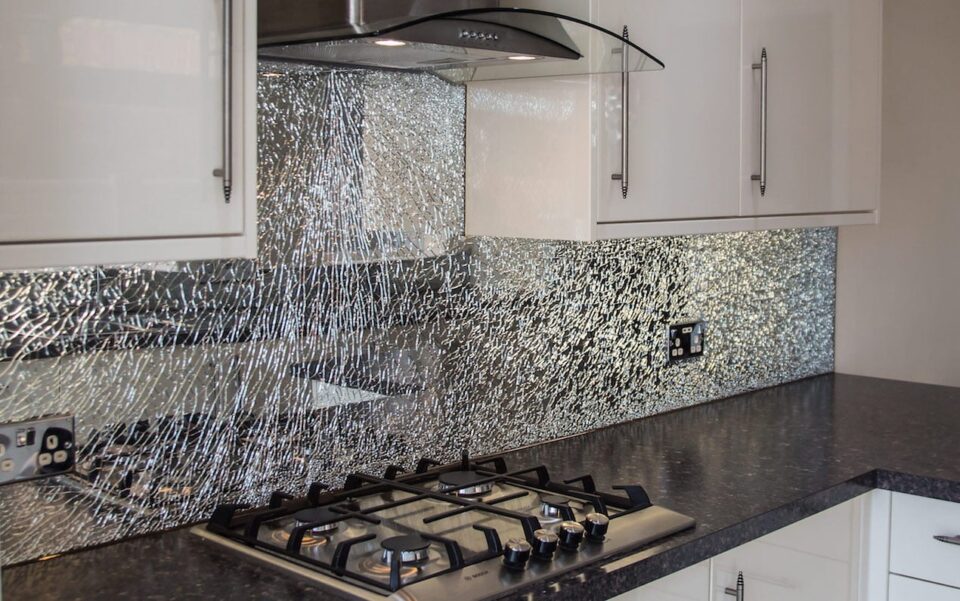
Kitchen glass splashbacks are a popular choice for modern kitchens because they look sleek and are easy to wipe clean. They also reflect light, which can make smaller rooms feel brighter and more open.
At the same time, buying the right panel is not only about picking a color you like. Thickness, finish, and safety standards all affect durability, installation, and long term satisfaction.
Thickness options and what they change
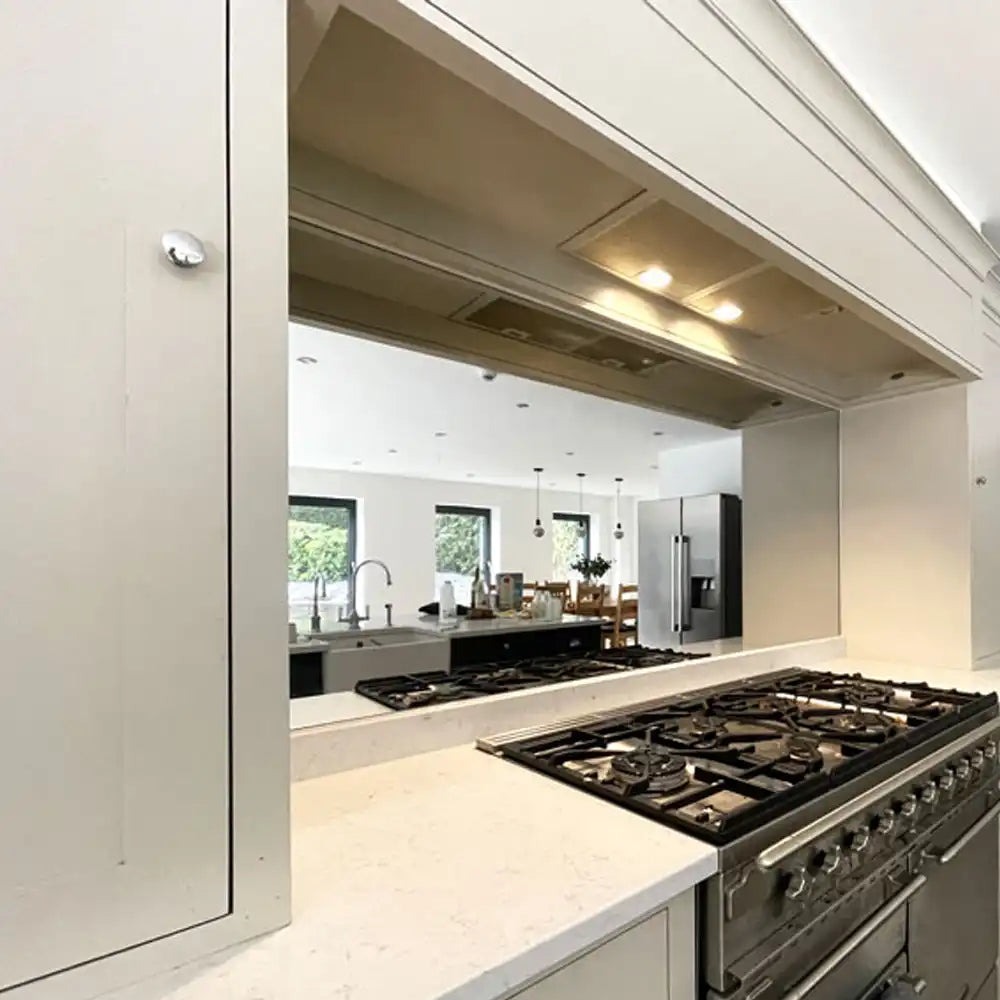
When choosing kitchen glass splashbacks, thickness is one of the first practical decisions. Most homeowners compare common options like 4 mm, 6 mm, and 8 mm, with thicker panels usually feeling more solid.
A thinner panel can be suitable for low impact areas such as behind a sink where there is limited heat. However, many installers prefer thicker glass because it can feel sturdier during handling and mounting.
Thicker glass may also help the panel sit flatter when walls are slightly uneven. This matters in older kitchens where surfaces are not perfectly straight or level.
That said, thickness alone does not guarantee strength. The type of glass and how it is treated is often more important than the number on the spec sheet.
Finish choices and how they look in real kitchens
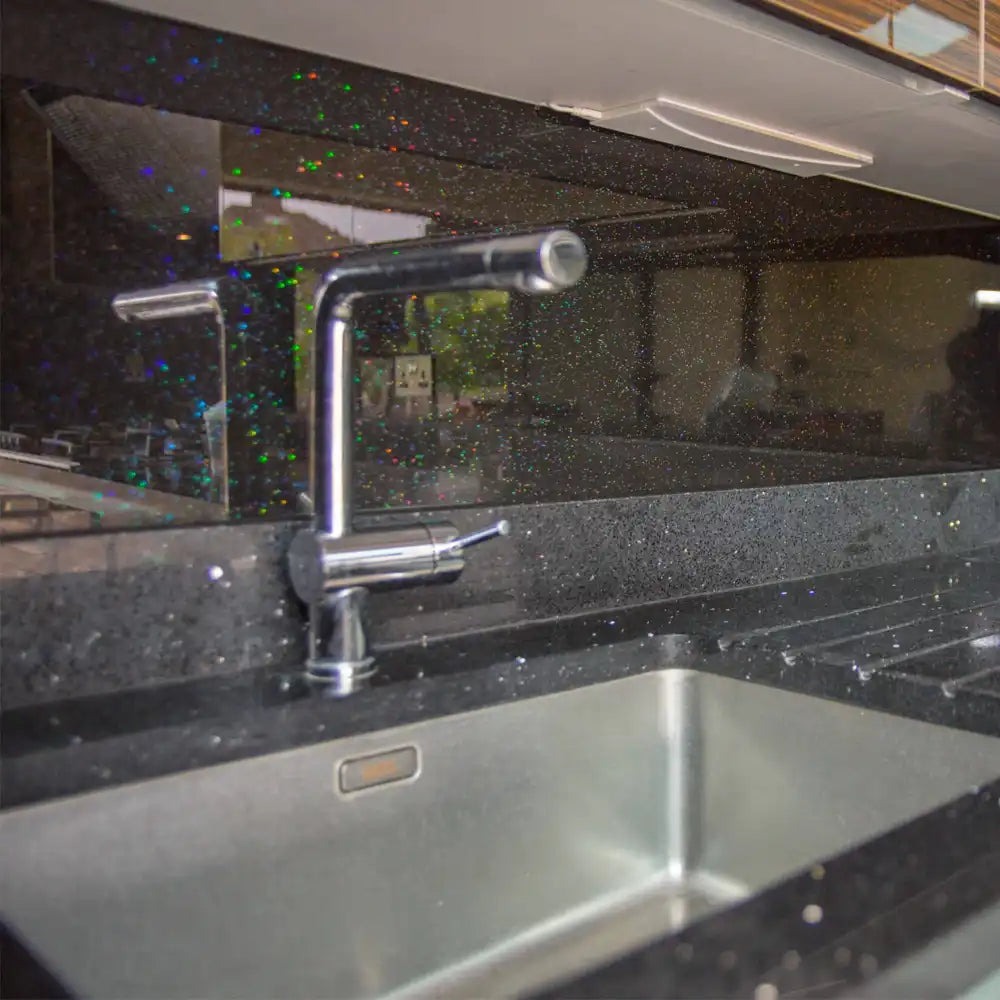
Glass splashbacks come in several finishes that can change the overall style of the kitchen. The most common look is a smooth glossy surface that reflects light and gives a clean modern feel.
Matte finishes are also available and can look softer and more understated. They can reduce glare from strong lighting, which some people prefer in bright open plan spaces.
Painted back panels create a solid color effect with depth and clarity. They work well when you want to match cabinetry, tie in an accent color, or create a bold feature wall.
Printed designs are another option, including stone looks, patterns, or custom images. These can add personality, but it is wise to choose timeless visuals if you plan to stay in the home for many years.
Think about lighting before you decide on finish. Under cabinet LEDs can amplify reflections, so glossy panels may show more highlights while matte surfaces keep the look calmer.
Safety, heat resistance, and installation details

Safety is the most important part of the purchase, especially near a hob. For kitchen glass splashbacks, toughened safety glass is usually recommended because it is designed to handle higher temperatures.
Toughened glass is made through a heat treatment process that increases strength. If it breaks, it tends to crumble into small pieces rather than sharp shards, which reduces injury risk.
It is also crucial that all cutouts for sockets and edges are made before the glass is toughened. Trying to drill or cut after toughening can cause the panel to shatter.
Accurate measuring and templating are essential for a clean finish. Even a few millimeters of error can lead to gaps, misaligned outlets, or stress points that compromise the install.
Ask about fixing methods and adhesives, especially if you have uneven walls or tiled surfaces underneath. A good installer will advise on spacing, support, and sealing to keep moisture out and ensure longevity.
Conclusion
Kitchen glass splashbacks can deliver a modern, hygienic, and visually striking result when the details are chosen correctly. Thickness affects feel and handling, while finish shapes how the kitchen looks under real lighting.
Most importantly, prioritize safety by choosing the right type of glass and ensuring professional measurement and installation. With careful planning, a glass splashback becomes a long lasting upgrade that elevates the entire space.