

Preventing pressure sores in immobile patients requires consistent attention to positioning, skin protection, and the right support surfaces. When a person remains in one position for long periods, pressure restricts blood flow and damages underlying tissue.
Early prevention reduces complications, lowers treatment costs, and improves comfort. Caregivers and healthcare providers rely on structured repositioning schedules and specialized mattresses to maintain skin integrity.
Practical routines and proper equipment work together to reduce risk and improve patient outcomes.
Understanding Pressure Distribution And Tissue Protection
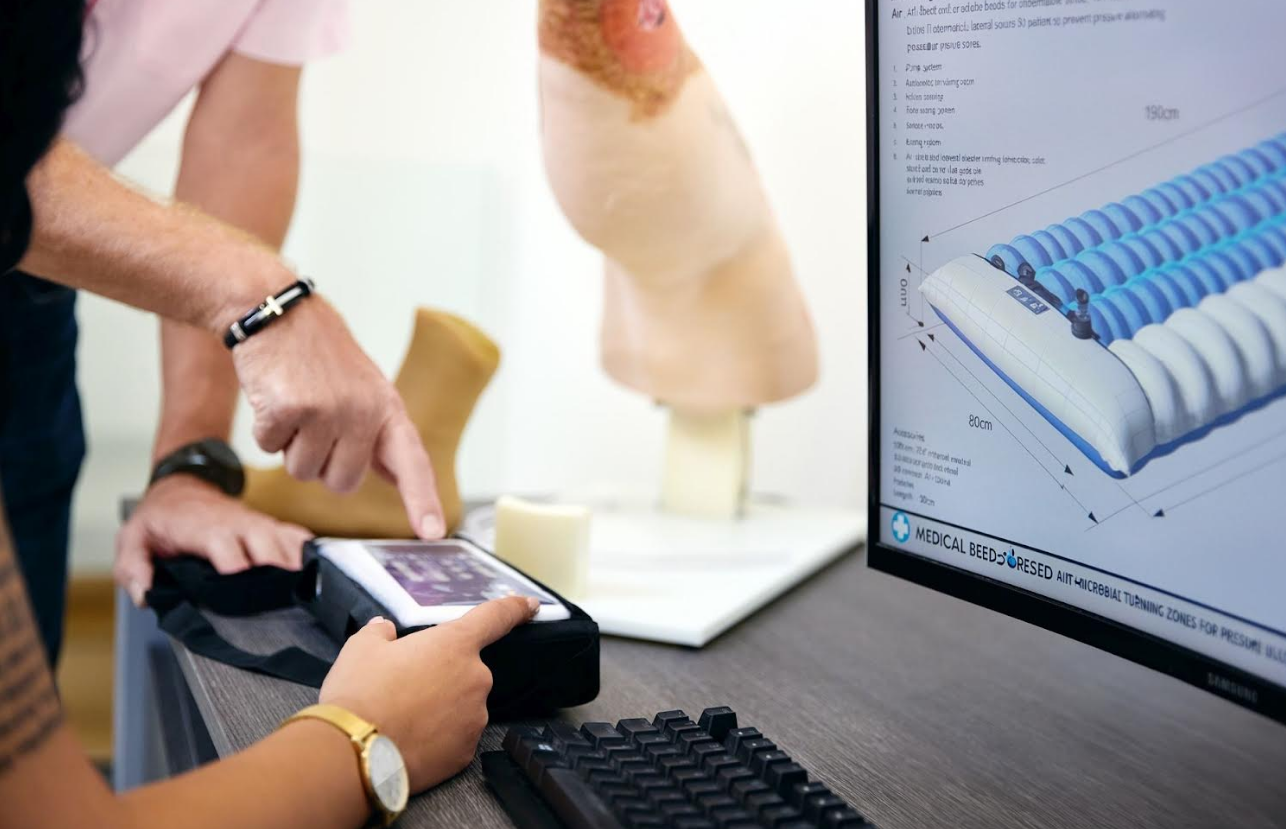
Effective prevention begins with understanding how prolonged pressure affects the body. Bony areas such as the hips, heels, shoulders, and tailbone face the greatest risk because soft tissue between bone and mattress is compressed. Without relief, tissue damage may begin within hours.
Pressure relief works best when caregivers focus on these essential factors:
- Regular repositioning helps restore blood circulation and reduces prolonged compression on vulnerable areas.
- Proper alignment keeps joints in a natural position and reduces friction against bedding.
- Clean and dry skin lowers the risk of breakdown caused by moisture and irritation.
Clinical definition: A pressure injury is localized damage to skin or underlying tissue caused by sustained pressure or pressure combined with shear.
Early observation of redness or warmth allows caregivers to respond before deeper injury develops.
Advanced Support Surfaces For High Risk Patients
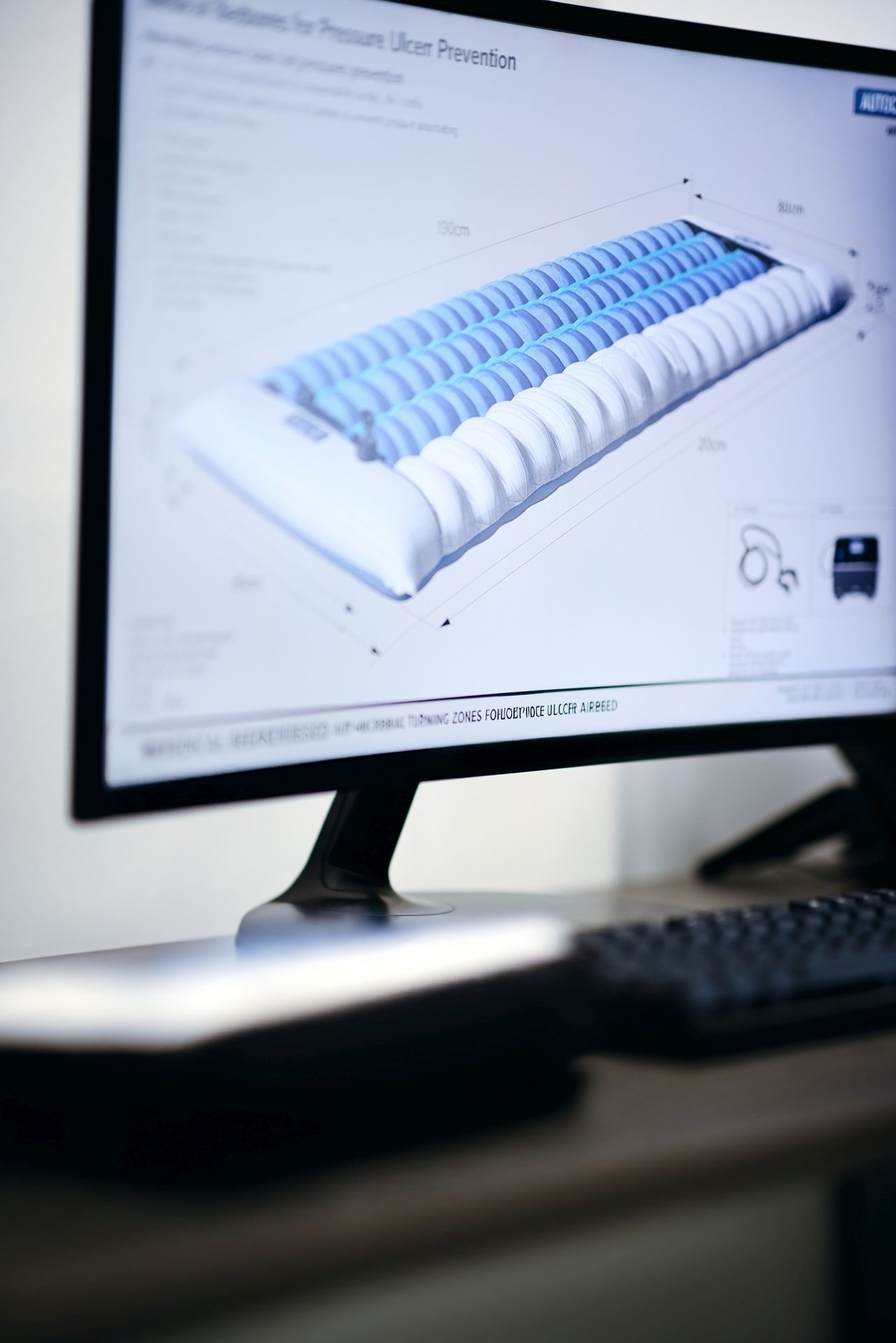
Support surfaces reduce pressure by distributing body weight across a larger area. Modern mattress systems provide automatic repositioning that improves consistency and reduces caregiver workload.
Facilities managing high risk patients often rely on specialized solutions such as abewer.com, where advanced mattress systems help maintain safe positioning through controlled lateral movement.
Research driven technology has shown that automated repositioning can reduce the frequency of pressure injuries in long term care.
These systems typically provide:
- Alternating pressure zones that improve circulation
- Controlled lateral rotation that reduces prolonged pressure
- Adjustable firmness for individual patient needs
- Stable positioning that minimizes shear forces
Automated surfaces do not replace manual care routines, but they provide reliable support between repositioning intervals.
Positioning Techniques That Reduce Risk
Positioning remains one of the most effective prevention strategies. Caregivers should follow a structured schedule that shifts weight away from vulnerable areas. Even small position changes can improve circulation and reduce tissue stress.
A typical repositioning approach includes:
- Turning patients at least every two hours when using standard mattresses.
- Supporting knees and ankles with cushions to prevent skin contact.
- Elevating heels so they remain free from direct mattress pressure.
- Using gentle lifting techniques instead of dragging across sheets.
Maintaining a 30 degree side lying position often provides better pressure relief than a full side turn. This position reduces direct force on the hip bone and improves comfort.
Small adjustments throughout the day provide steady protection without causing fatigue for the patient.
Comparing Common Support Surface Options
Different support surfaces serve different patient needs. Choosing the correct mattress or overlay depends on mobility level and medical condition.
| Support Surface Type | Best Use Case | Pressure Relief Level | Maintenance |
| Foam mattress | Moderate risk patients | Basic | Low |
| Alternating air mattress | High risk patients | High | Moderate |
| Lateral turning system | Very high risk patients | Advanced | Moderate |
| Gel overlays | Short term use | Moderate | Low |
Alternating air and turning systems provide more consistent pressure relief than standard foam mattresses. Facilities caring for immobile patients often choose advanced surfaces because they reduce manual repositioning demands.
Proper mattress selection should always match the patient’s level of mobility and medical condition.
Monitoring Skin And Early Warning Signs
Routine skin inspection plays a major role in prevention. Early warning signs allow caregivers to adjust positioning before serious damage occurs.
Warning signs caregivers should watch for include:
- Persistent redness that does not fade after pressure is relieved
- Skin temperature changes compared with surrounding areas
- Swelling or firmness beneath the skin surface
- Complaints of discomfort in pressure areas
Did You Know?
Early stage pressure injuries can often be reversed within 24 to 48 hours if pressure is removed promptly and circulation improves.
Documenting skin changes helps maintain consistent care across multiple caregivers and shifts.
Conclusion
Preventing pressure sores in immobile patients depends on consistent positioning and appropriate support surfaces.
Reliable routines, early monitoring, and specialized mattresses help reduce injury risk.
Combining manual repositioning with advanced support technology provides the strongest protection for vulnerable patients.