
For decades, status meant being seen: the logo, the mansion, the itinerary shared in real time. The more eyes on you, the higher you climbed. That logic has quietly inverted. In 2026 the people who can afford almost anything are paying for the opposite: to be unfindable, untracked, unphotographed. The new luxury currency is not attention. It is the freedom to refuse it.

Why privacy got expensive
Luxury has always meant owning what is hard to get, and real privacy has become very hard to get. Every search, tap and location ping feeds an industry that collects, profiles and resells personal data at scale. Estimates collated by nss magazine put the global data-broker market at roughly $332 billion in 2025, heading toward $480 billion by 2029. Attention is now so abundant it is nearly worthless. Discretion is the scarce asset – and scarcity is what turns something into a status symbol.
What the wealthy are actually buying
Watch where affluent money now goes: private villas over grand hotel suites, charter flights over first class, restaurants where cameras are banned. Security teams scrub children’s digital histories before the children are old enough to post. J.P. Morgan’s family-office research finds cybersecurity is now one of the most outsourced services among the world’s richest families. Even product design has shifted – one maker sells a premium pair of smart glasses with no camera at all, arguing that privacy is the feature. Vogue reports that affluent shoppers increasingly judge brands by how well they protect customer data.
Not just for billionaires
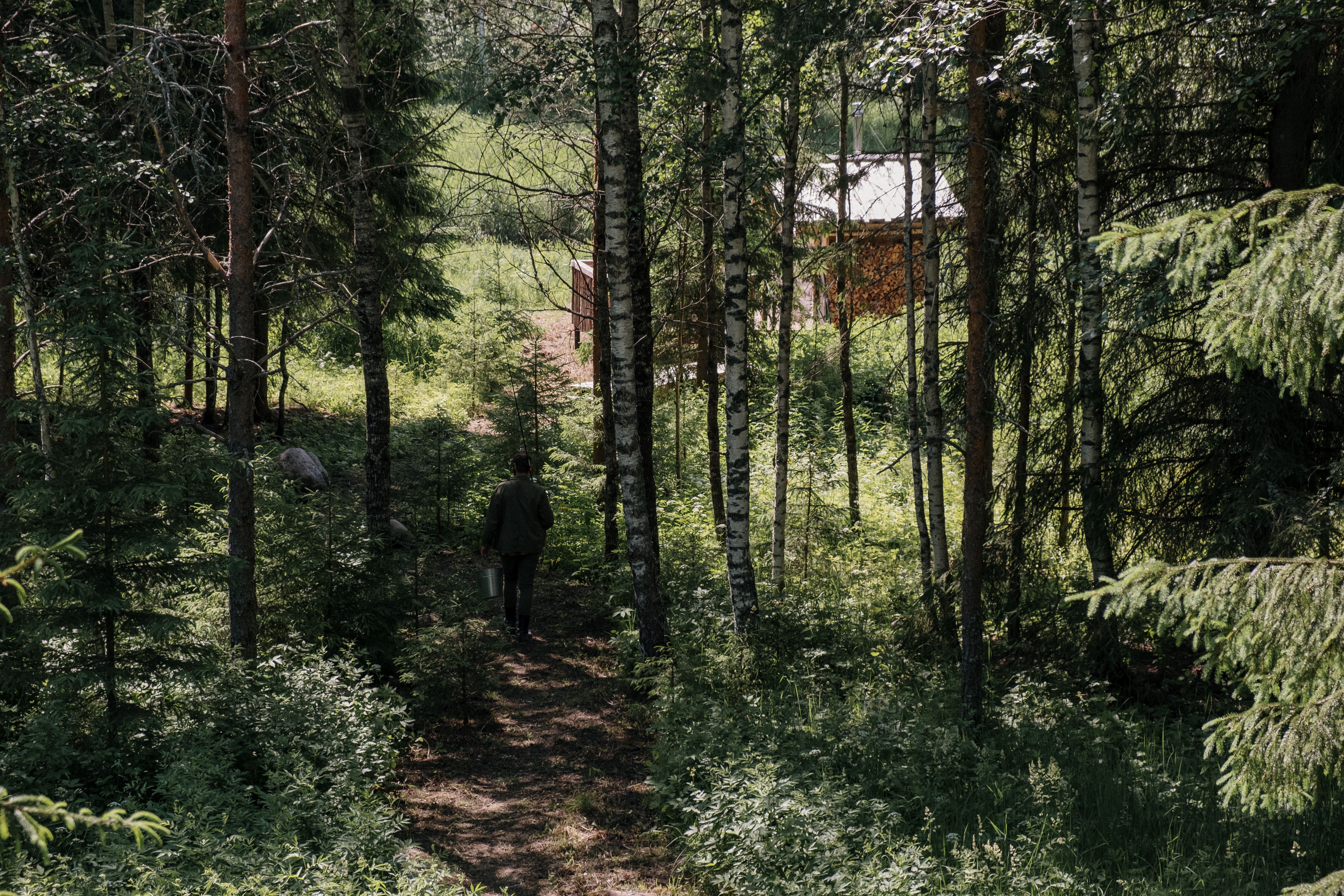
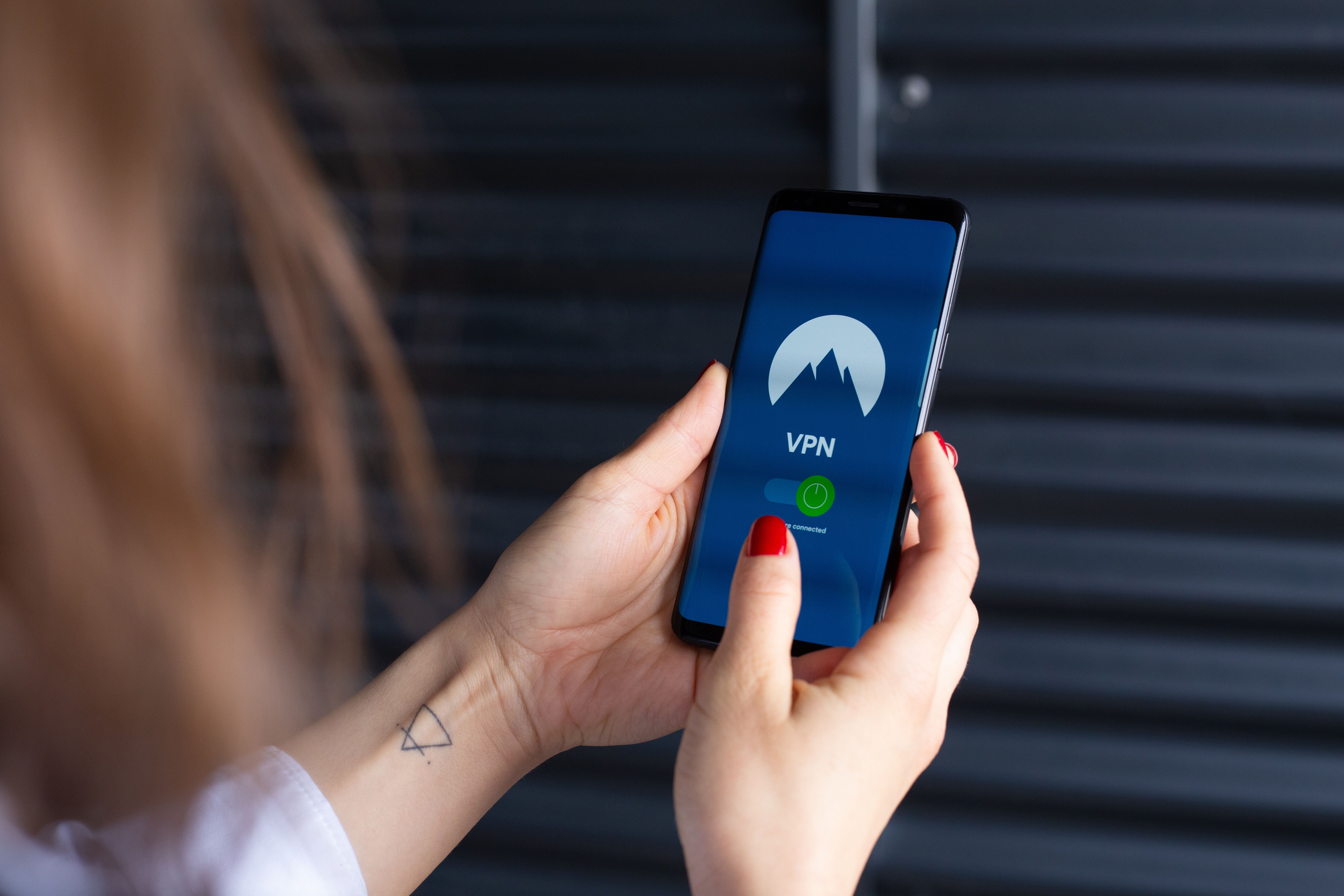
This is not an exclusive club. VPNs, encrypted email and disappearing messages have moved out of IT departments and into ordinary life, and a growing “offline movement” among younger consumers treats constant visibility as something to manage rather than enjoy. A more private life is now cheaper to start than almost any other luxury – much of it costs less than a coffee a month.
Discretion is now the product
Where demand grows, markets follow. Private banks, discreet clinics and anonymous aviation now sell secrecy as their core offering – and so does the companionship industry. Munich’s Louisa, an elite escort agency, counts discretion among its founding values, promises client details are never handed to third parties, and says much of its clientele consists of public figures who value total anonymity. When even intimacy is marketed on a promise of invisibility, privacy has clearly become the premium feature of the decade.
The uncomfortable catch
There is a downside worth naming. Researcher Kate Crawford has described the result as “the privacy rich and the privacy poor” – a new dividing line between those who can pay to disappear and those who must keep feeding the machine. There is also the danger that privacy becomes another costume, a quiet-luxury uniform that advertises itself. Real privacy should not be a flex. It should be a floor.
The reassuring part is that you do not need a family office to start. Use a password manager. Switch messaging to end-to-end encryption. Treat your location history the way you would treat your wallet. The goal was never to look mysterious – it is the quiet ability to decide, on your own terms, when the world gets to see you. In an economy built on watching, that may be the most valuable thing a person can still own.