
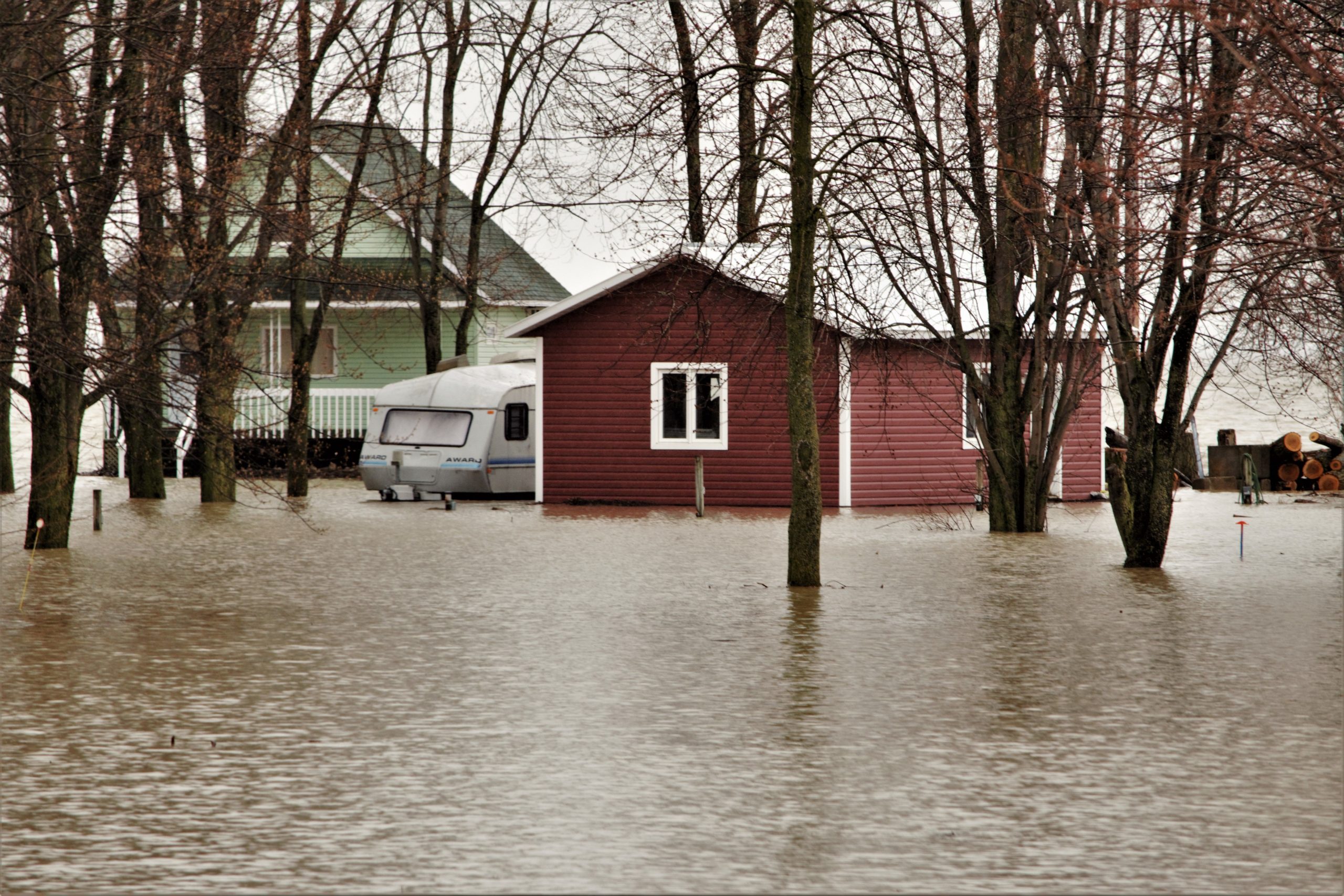
When a flood, wildfire, or hurricane destroys a home, the first story is the rescue. The second story tends to fall out of the news cycle within weeks. It is about where people go next, how long they stay there, and what that stretch of uncertainty does to their mental health.
The scale is bigger than most people assume. The Internal Displacement Monitoring Centre recorded 45.8 million disaster-related displacements across 163 countries and territories in 2024, the highest figure since it began monitoring in 2008 and nearly double the annual average of about 24 million over the previous decade. More than 11 million of those movements happened in the United States, driven largely by major hurricanes. By the end of 2024, 9.8 million people worldwide were still displaced by disasters.
Most of them go home quickly. Some do not go home at all. The research increasingly suggests that the gap between those two groups is where much of the depression risk lives, and that it has less to do with the storm itself than with what follows.
Why losing a home is different from losing other things
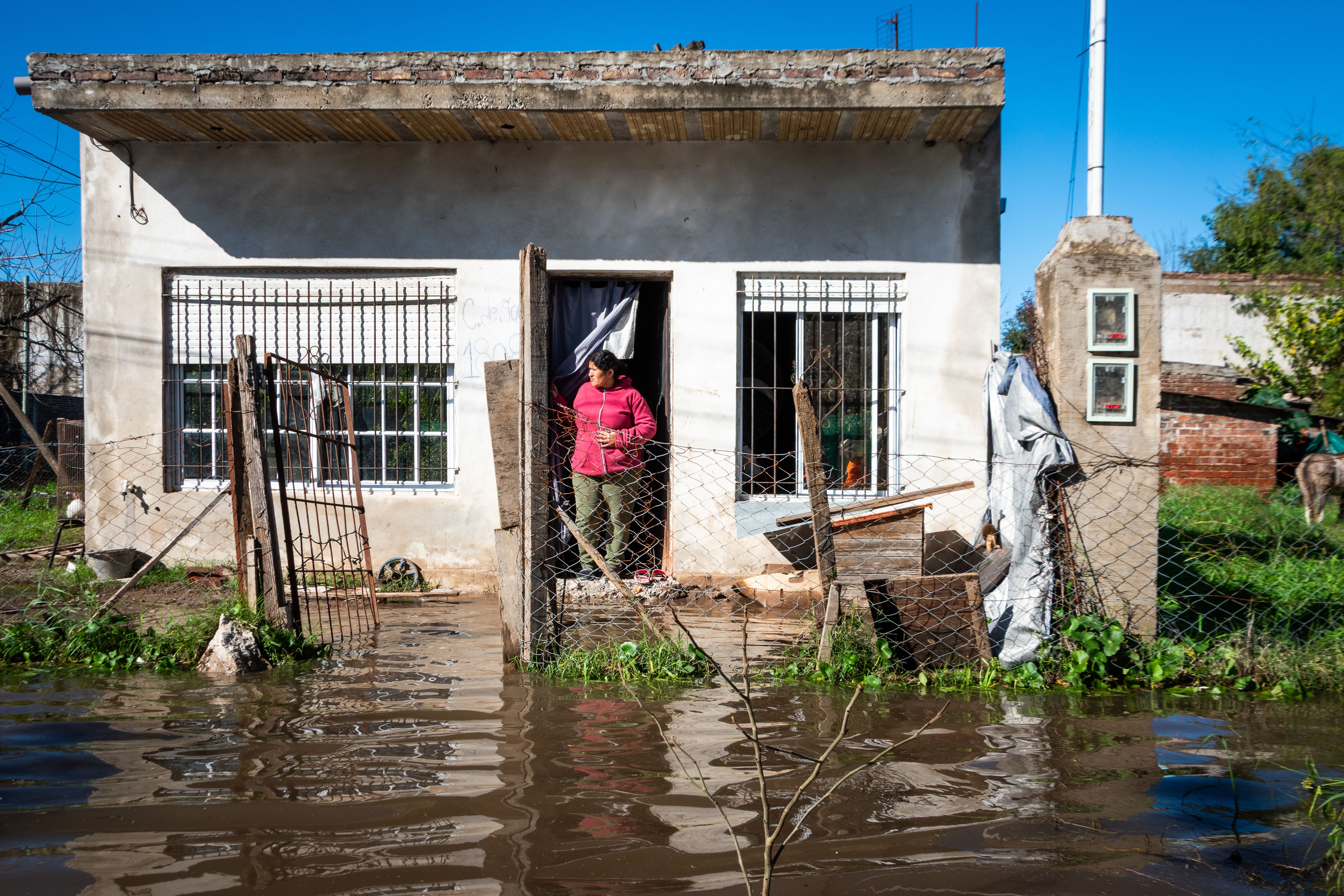
A home is rarely just a structure. It is often a household’s largest store of wealth, the anchor of a daily routine, and the physical centre of a social network. When it is destroyed or left uninhabitable, all of that is disrupted at once, and the disruption rarely ends when the water recedes.
A study of New Orleans residents displaced by Hurricane Katrina, published in 2009, found that severe damage to or destruction of a home was one of the strongest correlates of mental illness a year after the storm. The odds of being classified with probable mental illness were more than six times as high for people who lost their home as for those whose homes were undamaged or damaged but still habitable. Because housing quality and homeownership are unevenly distributed, the study found that housing damage also accounted for much of the racial disparity in mental illness after the storm. Renters were not insulated: those whose rented dwellings were destroyed lost their belongings and were forced to find new housing, often in a tighter and more expensive market.
The longer the displacement, the higher the risk
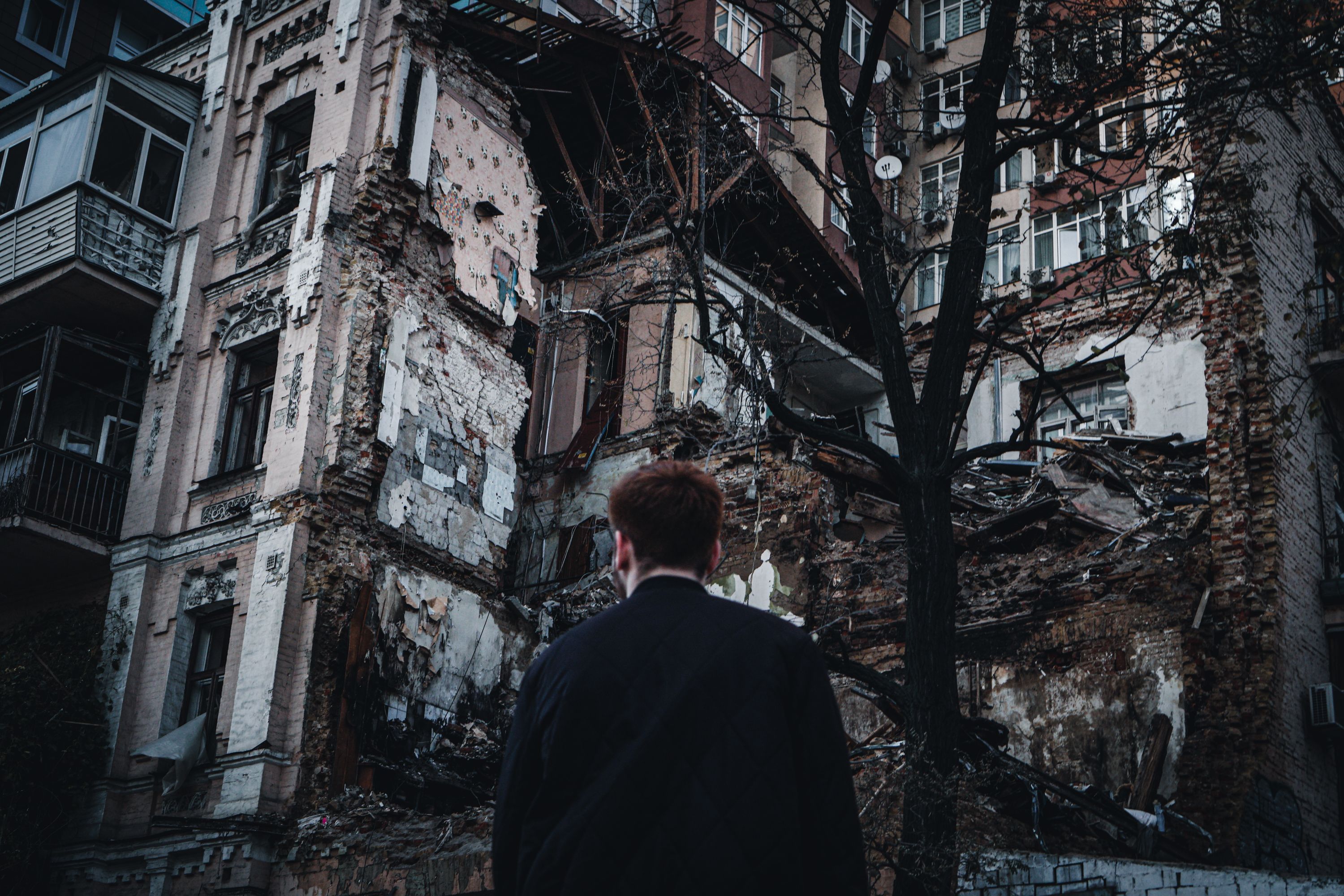
The clearest recent evidence comes from a nationally representative analysis of US Census Bureau Household Pulse Survey data published in JAMA Network Open in August 2025. It covered more than 183 million US adults and focused on people displaced by natural disasters in the previous 12 months.
The pattern was graded rather than all-or-nothing. Compared with people who were not displaced, those displaced for more than a week had higher odds of depression symptoms (odds ratio 1.77) and anxiety symptoms (1.54). Among people who had not returned home, the odds climbed to 2.43 for depression and 3.04 for anxiety. The risk tracked the length of displacement, which suggests that time spent in limbo is itself part of the harm.
The burden was not evenly shared. Younger adults, sexual and gender minority groups, and people with lower income, lower educational attainment, or disabilities showed a higher prevalence of symptoms. Disasters tend to amplify vulnerabilities that were already present rather than creating them from nothing.

Who the surveys tend to miss
A methodological detail shapes almost everything known about this topic. Most post-disaster mental health surveys collect data from people who stayed near the disaster site or returned, because those populations are easier to reach. People who remain permanently displaced are dispersed across a region or a country, frequently in temporary or shared housing, and are much harder to sample.
That gap matters because the permanently displaced appear to carry the heaviest burden. The Katrina-era pilot study mentioned above deliberately tracked residents who had left New Orleans and not returned. One year after the storm, 51% of those still displaced met the threshold for probable mild or serious mental illness, compared with 31% of displaced residents who had returned. Research that samples only returnees will systematically understate the toll.
It is not only the storm: housing and income as the pathway
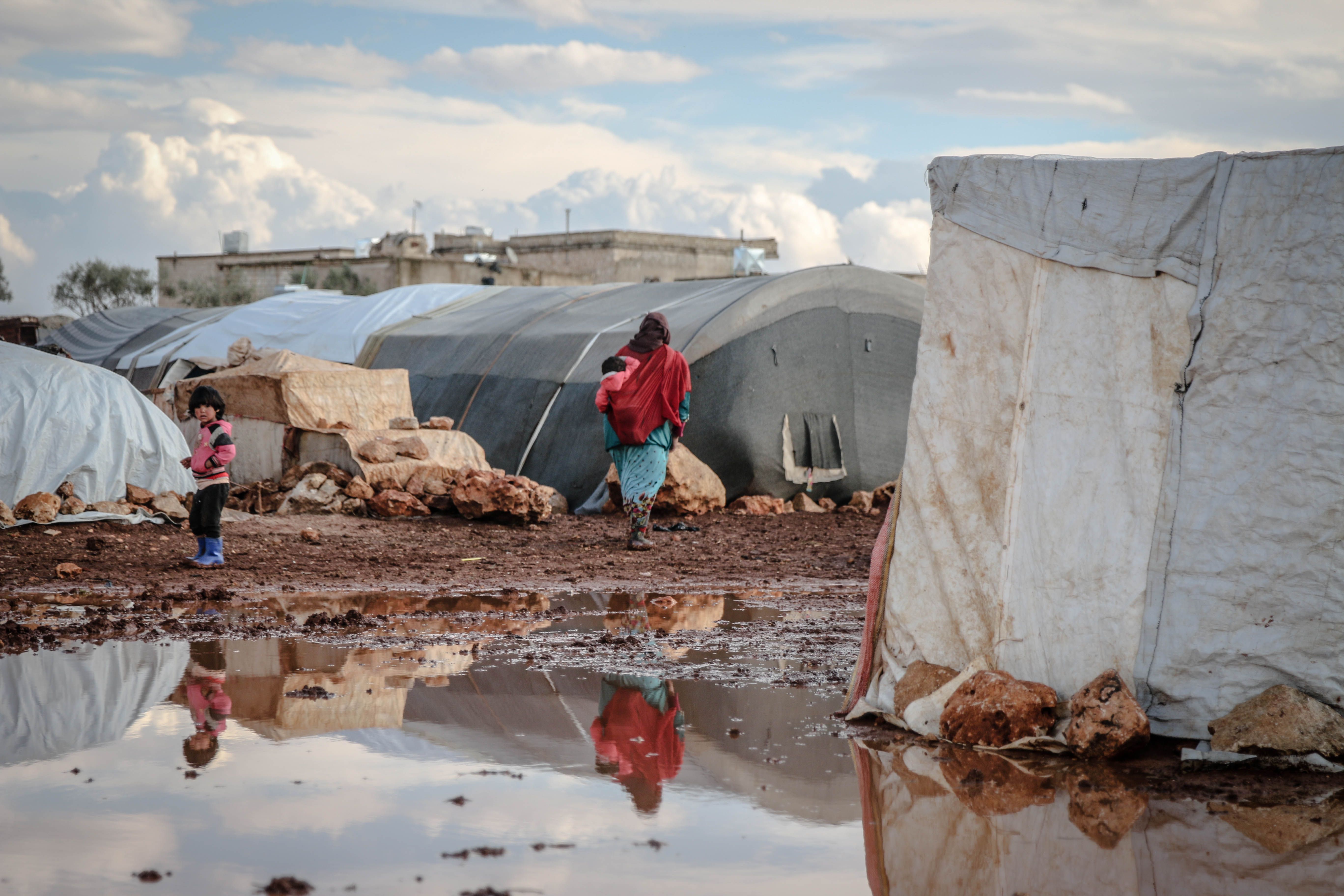
If duration of displacement is the risk factor, the next question is what inside that experience produces the risk. A 2026 study in JAMA Psychiatry of adults affected by the 2023 Maui wildfires offers one of the clearest answers. Residents within the burn zones had a 53% higher risk of depression and a 67% higher risk of anxiety than unexposed residents. Mediation analysis showed that housing displacement and income loss together accounted for more than half of those associations: about 62% of the effect on depression and 78% of the effect on anxiety.
Living arrangement mattered on its own. People staying in temporary housing had a significantly higher risk of anxiety (risk ratio 1.45) than those in stable housing. The authors concluded that social and economic instability, rather than trauma exposure alone, drove much of the harm measured at the population level.
A prospective cohort study of survivors of the 2011 Great East Japan Earthquake and Tsunami, published in the American Journal of Epidemiology in 2025, points the same way. Among 3,138 survivors, disaster-related home loss was associated with later cognitive disability, and roughly 48% of that association was mediated by post-disaster depressive symptoms. A further 19% was explained by a decline in social cohesion, the sense of belonging and mutual trust within a community. The authors suggested that group relocation, which preserves social ties, and early intervention for depression might reduce the long-term damage.
Five datasets, one consistent pattern
Different disasters, different countries, different study designs, and a repeating result. The table below summarises the key findings discussed above.
| Dataset or study | Population | Key finding | Source and date |
|---|---|---|---|
| US Household Pulse Survey, national analysis | More than 183 million US adults | Displaced over one week: depression odds ratio 1.77, anxiety 1.54. Not returned home: depression 2.43, anxiety 3.04 | JAMA Network Open, August 2025 |
| Maui wildfire exposure study | 2,453 adults in Hawai’i | Burn-zone residents: depression risk ratio 1.53, anxiety 1.67. Housing displacement and income loss jointly mediated more than half of the effect | JAMA Psychiatry, 2026 |
| Displaced New Orleans residents pilot study | Representative sample, 2006 | 51% of those not returned had probable mental illness versus 31% of returnees. Home loss odds ratio above 6 | Peer-reviewed study, 2009 |
| Great East Japan Earthquake and Tsunami cohort | 3,138 survivors | About 48% of the home loss to cognitive disability link was mediated by depressive symptoms; 19% by declining social cohesion | American Journal of Epidemiology, 2025 |
| Hurricane and flood systematic review and meta-analysis | 25 studies, 616,657 people | Increased post-traumatic stress (effect size 0.44) and depression (0.28); no meaningful change in anxiety | Peer-reviewed meta-analysis, 2025 |
Sources: peer-reviewed analyses published between 2009 and 2026; figures are as reported in each study.
What the evidence does not settle
Precision matters here. Much of this research is cross-sectional, capturing a snapshot rather than following people over time, so it can show association but cannot establish causation on its own. Symptoms are usually measured through self-reported screening questionnaires rather than clinical diagnosis. Prior mental health, financial circumstances, and the disaster experience itself all contribute alongside displacement, which makes isolating any single cause difficult.
A 2025 systematic review and meta-analysis of hurricane and flood studies complicates the picture further. It found higher post-traumatic stress symptoms and higher depression symptoms among exposed people, but no meaningful change in anxiety symptoms. The authors noted high statistical heterogeneity and suggested that the three outcomes may follow different timelines, which is one reason they are best measured separately rather than merged into a single measure of “psychological distress.”
The World Health Organization draws a related distinction. It notes that almost everyone affected by an emergency experiences psychological distress, such as anxiety, sadness, sleep problems, or irritability, and that this usually improves over time. A minority go on to develop a mental health condition; WHO cites an estimate that 22% of people who have experienced war or conflict in the previous decade have depression, anxiety, post-traumatic stress disorder, bipolar disorder, or schizophrenia. The Pan American Health Organization’s technical guidance for disasters estimates that severe disorders affect roughly 3 to 4% of an affected population and mild to moderate conditions about 15 to 20%, with those proportions tending to decline over time. PAHO is explicit that the line between an understandable emotional reaction and a clinical disorder is often imprecise, which is one reason support should not be reserved for people who meet a diagnostic threshold.
Support that reaches people where they are
What follows from the evidence is that mental health care and recovery policy are hard to separate. If risk is concentrated in prolonged displacement, unstable housing, lost income, and weakened social ties, then treating symptoms without addressing those conditions leaves much of the mechanism untouched.
WHO’s guidance for mental health in emergencies reflects that logic. It recommends integrating mental health and psychosocial support into every stage of preparedness and response, training frontline workers in psychological first aid, strengthening community self-help, and delivering clinical care through general health services rather than stand-alone specialist clinics. The reasoning is about reach: after a disaster, far more people can be helped through primary care and community networks than a specialist system can absorb.

In the United States, the federal Disaster Distress Helpline (1-800-985-5990) provides free, confidential crisis counselling by call or text, 24 hours a day, in more than 100 languages, along with referrals to local services. It is open to survivors, family members of victims, and first responders.
The administrative side of recovery
Recovery is not only psychological or logistical. It is also administrative. Insurance claims, government assistance programs, and legal proceedings can stretch on for years, and prolonged uncertainty about them becomes one more stressor for households already dealing with displacement.
How the legal profession organises, funds, and reports on large-scale disaster and environmental claims is a specialised subject with its own professional and regulatory frameworks. For background on the procedural side of mass litigation and how representation in complex group claims is structured and discussed within the industry, industry coverage offers useful context.
Community ties as a health factor
One of the more hopeful threads in the research is that social cohesion is both damaged by displacement and protective against its worst effects. The Japanese study’s finding that nearly a fifth of the cognitive harm from home loss ran through declining social cohesion suggests that keeping neighbours connected is not a soft or secondary concern. It is a measurable health factor.
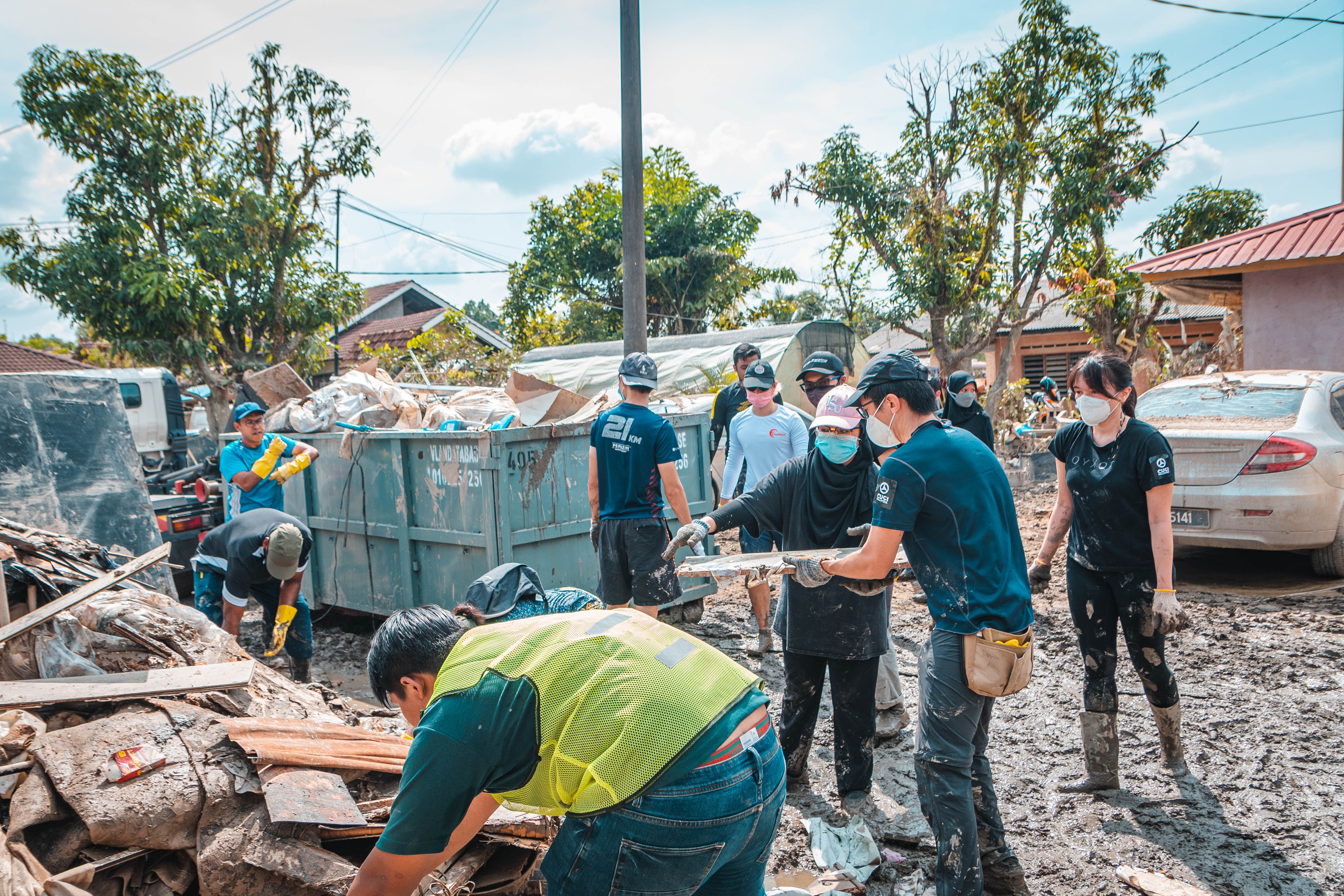
That is one reason volunteer-led clean-up efforts, rebuilt gathering places, and activities that restore routine and contact matter beyond their obvious practical value. They rebuild the social infrastructure that buffers against depression, and they do it in the places where displaced people are already trying to re-establish a life.
Frequently asked questions
Does losing a home to a disaster really cause depression?
Disaster-induced displacement is consistently associated with higher rates of depression symptoms in large studies, and the risk rises with the length of displacement. Most of the research is observational, so it shows a strong association rather than proving that displacement alone causes the condition. Prior mental health, financial losses, and the disaster experience itself also contribute.
Why do people who remain permanently displaced seem to fare worse?
Studies suggest that the persistent stressors of displacement, including unstable housing, lost income, disrupted social networks, and uncertainty about the future, continue and compound over time. People who do not return home are also under-sampled in many surveys, so their outcomes are often under-counted.
How long does disaster-related psychological distress usually last?
The World Health Organization notes that most people experience distress after an emergency and that it typically improves over time. A minority develop conditions such as depression, anxiety, or post-traumatic stress disorder. PAHO’s disaster guidance estimates that mild to moderate conditions affect roughly 15 to 20% of an affected population and tend to decline over time, while severe conditions affect a smaller share.
Is anxiety affected the same way as depression?
Not necessarily. A 2025 meta-analysis of hurricane and flood studies found clear increases in post-traumatic stress and depression symptoms but no meaningful change in anxiety symptoms. Researchers caution that the three outcomes may follow different timelines, which is one reason they should be measured separately.
What support is available for people displaced by a disaster?
In the United States, the SAMHSA Disaster Distress Helpline (1-800-985-5990) offers free, confidential, 24/7 crisis counselling by call or text in more than 100 languages. International guidance from the World Health Organization recommends psychological first aid delivered by frontline workers and mental health care integrated at the primary care level, so that support reaches people who are not in contact with specialist services.
How this article was put together
This article draws on peer-reviewed studies published between 2009 and 2026, including national survey analyses in JAMA Network Open and JAMA Psychiatry, a prospective cohort study in the American Journal of Epidemiology, and a systematic review and meta-analysis of hurricane and flood research. Displacement figures come from the Internal Displacement Monitoring Centre’s 2025 global report, and clinical guidance from the World Health Organization and the Pan American Health Organization. All sources were checked in September 2026. Where the evidence is mixed, most notably for anxiety, that is stated in the text. Displacement and disaster data are updated annually, so the figures will need rechecking after each new report.
