

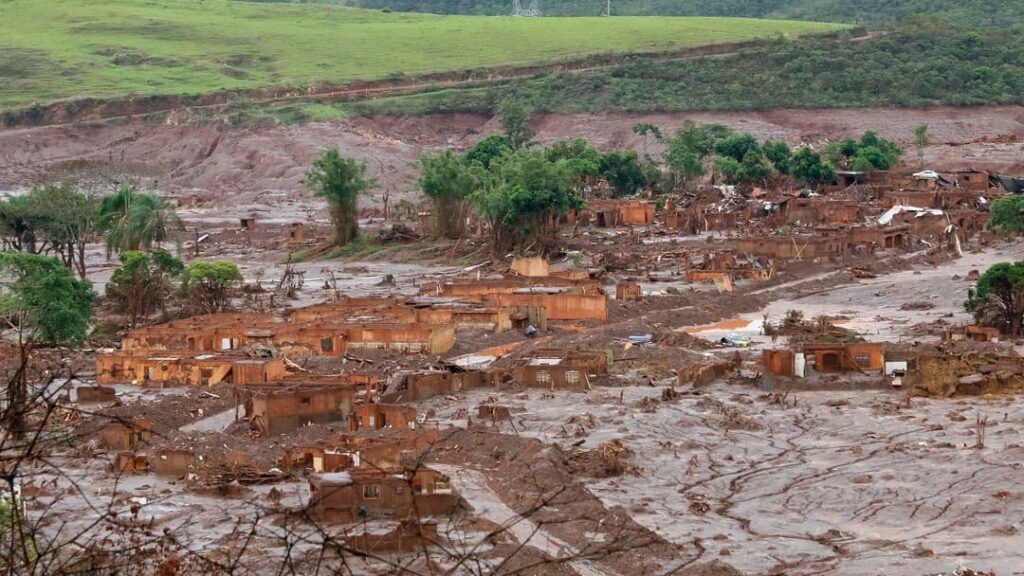
The Mariana Dam lawsuit remains one of the largest environmental legal actions ever pursued, involving claims connected to the 2015 collapse of the Fundão tailings dam in Brazil. With thousands of claimants and billions of pounds potentially at stake, the case has attracted significant international attention. However, recent controversy surrounding a major claimant law firm has brought additional scrutiny to the management and governance of large-scale litigation.
While the legal merits of the claim remain separate from internal disputes within any law firm, leadership controversies and financial questions can influence public perception. As a result, discussions about governance, transparency, and litigation funding have become increasingly prominent.
Why The Mariana Dam Case Attracts Attention

The scale of the Mariana Dam litigation means that any developments involving firms connected to the claim receive substantial attention. Reports surrounding the Pogust Goodhead scandal have intensified interest in how major group actions are managed and supervised.
Large environmental claims require significant resources, including legal teams, expert evidence, administration, and long-term funding arrangements. Because these cases often continue for many years, stakeholders expect strong governance and clear financial oversight.
When controversy arises around leadership or spending, observers may question whether management structures are robust enough to support claims of this magnitude.
Governance And Reputation Are Closely Linked
In high-profile litigation, governance is about more than internal business operations. It can directly affect confidence among claimants, funders, and the wider public. Even if a legal case continues without interruption, governance concerns may create reputational challenges.
Claimants involved in large actions want reassurance that their interests remain protected and that the legal team remains focused on achieving the best possible outcome. Funders also seek confidence that financial resources are being managed responsibly.
Strong oversight, transparent reporting, and independent review processes can help address these concerns and support long-term trust.
What The Situation Means For Funded Litigation

The renewed attention surrounding the Mariana Dam lawsuit highlights broader issues affecting the litigation funding sector. As class actions become larger and more complex, expectations around accountability and transparency continue to grow.
Industry observers increasingly argue that law firms handling major funded claims should demonstrate clear governance frameworks, disciplined financial management, and effective communication with stakeholders.
The debate is not necessarily about whether litigation funding should exist, but rather how it can operate in a way that maintains confidence among claimants, investors, and regulators.
Conclusion
The Mariana Dam lawsuit remains a significant environmental claim with far-reaching implications. Recent controversy involving a prominent claimant law firm has placed additional focus on governance, transparency, and financial oversight within large-scale litigation. As major group actions continue to grow in size and complexity, strong management practices and clear accountability will remain essential for maintaining trust and supporting the credibility of funded legal claims.